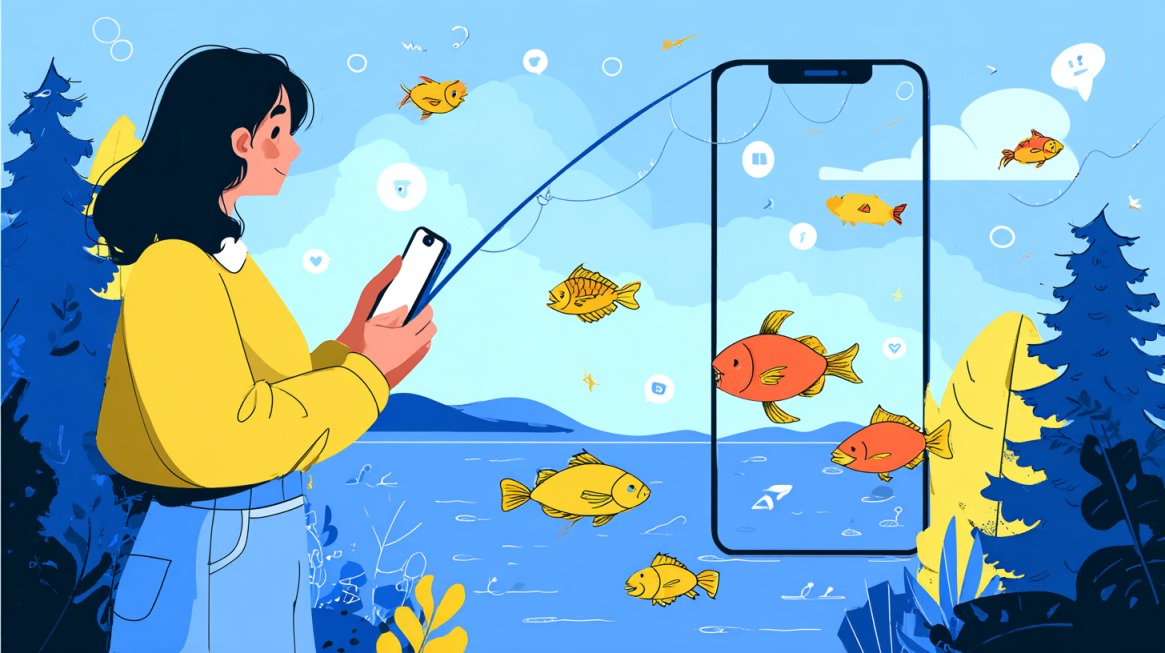

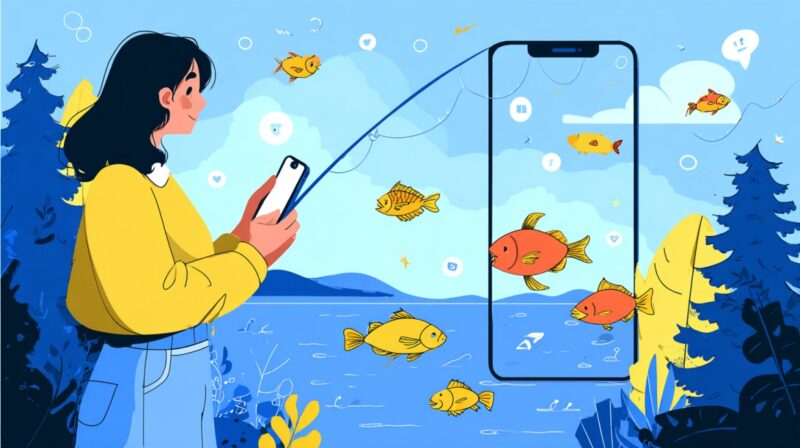
Starting a social fishing platform in 2025 is absolutely possible, but it is no longer a casual app idea. You are entering a mature global market valued at roughly two hundred million dollars this year, with steady double-digit growth driven by smartphone adoption, recreational fishing recovery after the pandemic era, and a new generation of younger, tech native anglers.
At the same time, the top platforms already serve tens of millions of users worldwide. That means one thing very clearly. You do not win by copying Fishbrain.
You win by choosing a narrow wedge, solving one painful real-world problem better than everyone else, and only then expanding outward into a broader social ecosystem.
Where the Market Is Still Wide Open
The biggest mistake new founders make is assuming the giants have solved everything. They have not. Several persistent structural weaknesses still exist across almost all major platforms.
Spot sharing remains the single biggest psychological conflict in social fishing. Anglers want the reputation and validation of sharing big catches, but they do not want to burn their productive locations.
Many users deliberately blur data, delay uploads, or avoid sharing entirely because they do not trust spot privacy systems. Any platform that offers truly granular privacy control and trusted sharing circles immediately removes one of the largest friction points in the industry.
Bank anglers, urban anglers, children, and casual family anglers are still structurally underserved. Most large platforms are built around boats, electronics, ramps, offshore navigation, and deep water structures. Millions of people who fish from shore simply do not see themselves reflected in these tools.
Real-world clubs, federations, and local tournament organizers still rely on spreadsheets, WhatsApp, and Facebook groups. There is no dominant platform that truly unifies club membership, scheduling, real-time scoring, social feed, payments, and rankings into one clean system.
Finally, conservation and fisheries science quietly depend on fishing app data, but the angler rarely sees how that data helps ecosystems.
There is an enormous opportunity in turning passive logging into opt-in citizen science, where users gain status and purpose by supporting environmental monitoring directly through their catches.
How To Start a Social Fishing Platform Step by Step
Step One: Define a Narrow, Defensible Entry Point
You cannot launch for everyone. You must choose a very precise first audience. The strongest early market wedges in 2025 tend to look like these.
A regional platform designed for one specific country or language group with deep local regulation, species, and access point coverage. A segment platform built only for shore anglers, kayak anglers, ice fishing, fly fishing, or urban fishing.
A structure-based platform that becomes the backbone for clubs and tournament organizers rather than casual solo anglers.
If you cannot describe your platform as “this exact tool for these exact people,” you are still too broad.
Step Two: Validate With Real Anglers Before Writing Code
Before a single developer hour is spent, you need to observe anglers using existing platforms in real life. Install Fishbrain, FishAngler, Fishidy, and a serious charting app. Log a few real trips. Watch how long it takes to log a catch.
Watch where privacy controls are confusing. Watch how clubs currently coordinate events. Then speak to at least twenty anglers in your chosen segment. Do not ask them what app they want. Ask how they actually plan trips, find locations, and share photos today.
Patterns will emerge very quickly. These patterns become your product blueprint.
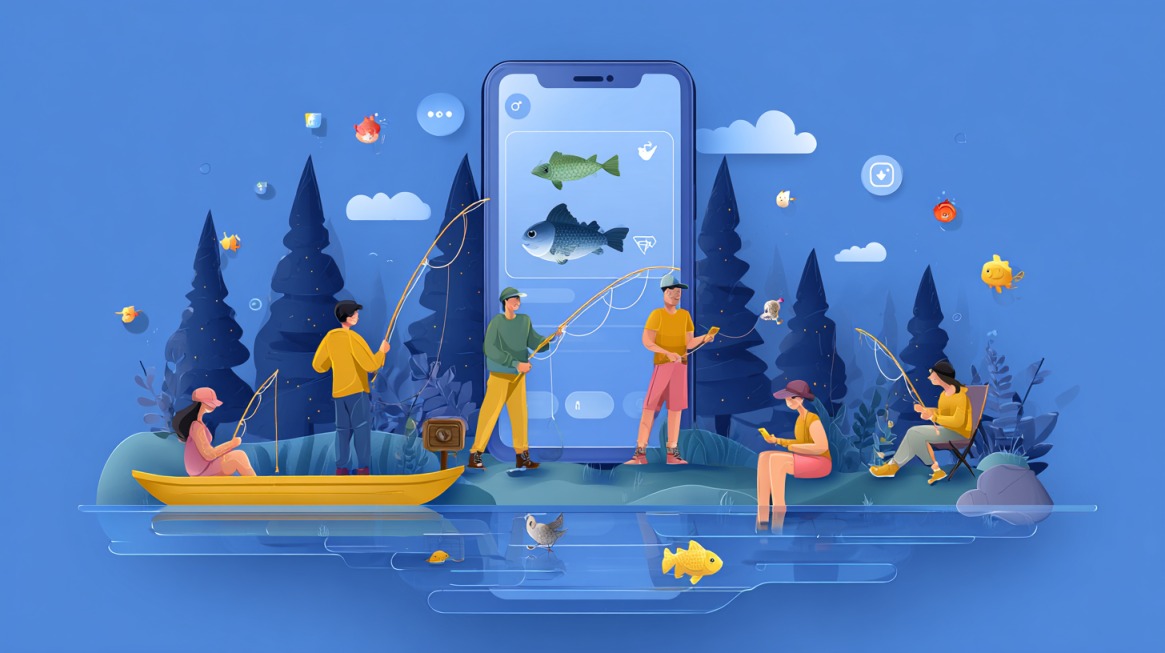
Step Three: Build a Minimum Viable Social Fishing Core
Your first version must be lean but complete. It must allow profile creation, catch logging with photos, location toggling between private and public, a clean map, and a working social feed. Without these five elements, you do not have a platform. You only have a database.
Groups or clubs should exist from day one, even in a primitive form, because social gravity keeps users coming back between fishing days. Weather and tides can be integrated through third-party data providers later, but the social core must work immediately.
Step Four: Mapping and Environmental Data Are Foundational
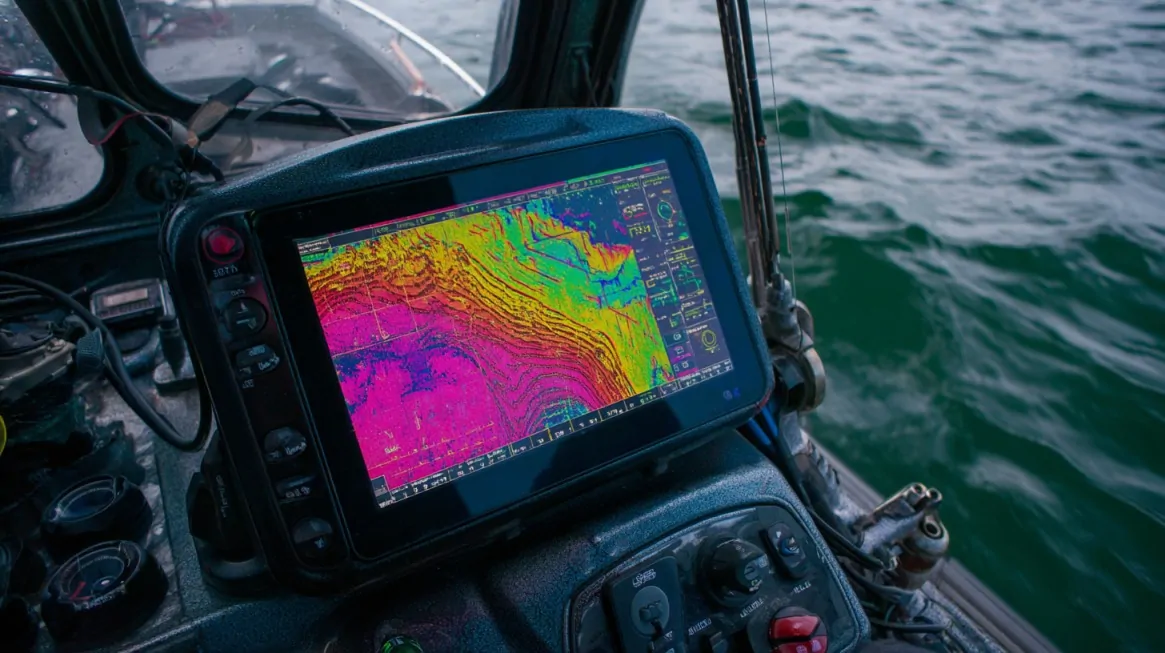
Fishing platforms collapse without reliable geospatial infrastructure. Your stack must be able to handle thousands of overlapping location queries, track water bodies accurately, and function offline in weak signal areas. PostGIS-style geospatial databases have become the industry standard for this exact reason.
Environmental data integration follows a predictable hierarchy. Basic weather and wind first. Then tides and currents for saltwater regions. Then solunar timing. Bite prediction comes much later when enough real catch history exists to train even simple correlation models.
Step Five: Monetization Must Be Designed Early, Not Bolted On

Most platforms in this industry succeed with variations of the same revenue structure.
This is also the stage where many founders begin researching funding models, valuation logic, and long-term exit strategy, often using growth investment resources such as the Private Equity Hub to understand how institutional capital evaluates scalable consumer platforms.
| Revenue Layer | What Users Pay For | Why It Works |
| Free access | Basic logging, feed, maps | Low barrier to network growth |
| Subscription | Advanced maps, longer forecasts, deep predictions | Recurring predictable revenue |
| Club and tournament tools | Fees, payouts, rankings | Direct value to organizers |
| Commerce partnerships | Tackle, charters, guides | Natural purchasing context |
The biggest mistake founders make is giving away everything and hoping to “monetize later.” By the time they try, users revolt. The paid boundary must exist from the very beginning, even if pricing is low.
Step Six: Technical Architecture in Practical Terms
Modern social fishing platforms require real-time feeds, high-resolution photo uploads, offline support, geospatial queries, and push notifications. This pushes you toward scalable cloud-based infrastructure even at a small launch scale.
Mobile first is non-negotiable. Web panels come later for club administrators and partners. Databases must support heavy read volumes on maps and feeds.
Object storage must be optimized for image uploads. Abuse prevention must be built in from day one because fishing apps attract spam just like mainstream social networks.
Step Seven: Legal and Trust Infrastructure Is Not Optional
You handle precise location data. That alone puts your platform into the highest privacy sensitivity class. Users must always understand exactly who can see their spots and with what accuracy.
Regulatory data must be presented with disclaimers because laws change frequently and vary by region. Harassment, illegal harvest promotion, and wildlife trafficking require immediate content moderation mechanisms.
If minors are allowed on the platform, parental consent and restricted visibility become mandatory.
Platforms that ignore these layers get shut down quietly through legal pressure long before they ever reach meaningful scale.

Final Market Positioning Snapshot for 2025
| Strategic Path | Difficulty Level | Survival Potential |
| Generic global social fishing network | Extremely high | Very low |
| Niche angler segment platform | Medium | High |
| Regional regulation-focused platform | Medium | High |
| Club and tournament infrastructure | Medium | Very high |
| Pure forecasting app | High | Medium |
The Bottom Line
Starting a social fishing platform in 2025 is not about building another Fishbrain clone. It is about choosing a narrow, painful real-world problem that existing platforms underserve, solving it better than anyone else, and then layering social features on top of that core utility. The technology is no longer the biggest barrier; focus is.
@bird28thegr8 Things you need to be a fishing content creator 🔥 #fishing #fishtok #funny ♬ original sound – Bird28thegr8🦅
If you try to serve all anglers on day one, you will fail. If you serve one group better than any existing platform and give them social gravity inside your ecosystem, you can still build something very real in this space.