
Main Differences Between Crappie and Bluegill
Crappie and bluegill belong to the sunfish family (Centrarchidae), but they’re as different as a largemouth bass and a smallmouth.
Crappies come in two main flavors—black crappie (Pomoxis nigromaculatus) and white crappie (Pomoxis annularis)—while bluegill (Lepomis macrochirus) is a single, scrappy species. Here’s how they stack up:
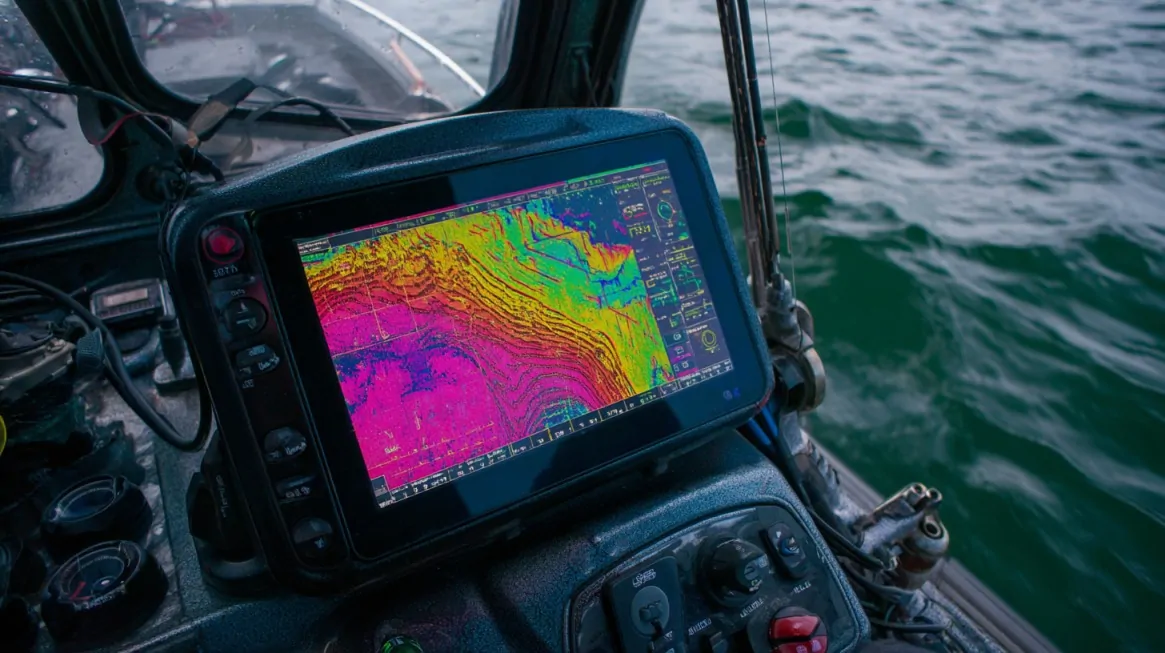
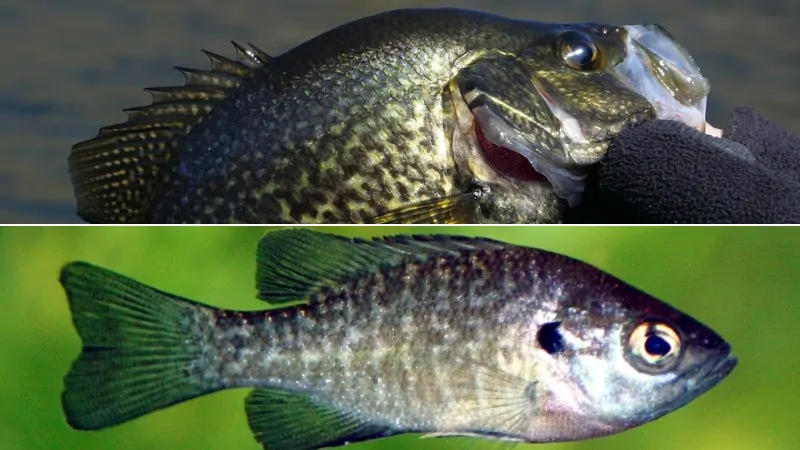
Crappies are the nomads of the panfish world—think of them as the moody, structure-loving cousins who roam deeper waters in tight-knit schools. Bluegill, on the other hand, are the feisty brawlers of the shallows, scrapping it out near weeds and docks. Crappies are finesse fish. They’re picky, and their paper-thin mouths mean you’ve got to play them carefully. Here’s how to target them: Bluegill are the pit bulls of panfish—small but tenacious. I’ve pulled limits from farm ponds and big impoundments alike, and they’re all about aggression and accessibility. Here’s how to get them: Spring is prime time for both species as water temps climb into the 50–60°F range for crappie and 70–80°F for bluegill. Crappie pushes into shallow waters—2–10 ft—staging near brush, stumps, or rocky banks to spawn. You’ll find them in tight schools, often just off the bank, making them vulnerable to jigs or minnows. Bluegill, meanwhile, turns the shallows (1–4 ft) into a battlefield, fanning out beds in sandy or gravelly areas near weeds or logs. Look for their “honeycomb” nest patterns—you can’t miss ’em. This is when they’re most aggressive, smashing anything that drifts too close. As the heat sets in, crappie retreat to cooler depths, suspending at 15–25 ft along the thermocline—usually near submerged timber or drop-offs. They’re still schooled up, chasing baitfish, so sonar is your best friend to pinpoint them. Bluegill doesn’t stray far from shore, hanging in 3–8 ft near weed edges, docks, or overhanging trees. They’re feeding heavily on insects and fry, and while they’ll still hit hard, you might need to fish slightly deeper cover as the spawn winds down. Fall is a goldmine for both. Crappie moves back toward mid-depths—10–20 ft—staging in transition zones like creek channels or ledges as they fatten up for winter. They’ll chase shad schools, so keep an eye on your electronics for bait clouds. Bluegill slides a bit deeper too, roaming 4–10 ft along weed lines or drop-offs near shore. They’re less territorial now, grouping loosely and hitting baits with gusto before the cold slows them down. When the water chills, crappie go deep—20–40 ft—hunkering down in channels or basins near the structure. They’re sluggish but still catchable with slow, vertical presentations like tiny jigs or minnows. Bluegill, ever the tough nuts, stick closer to shore in 6–15 ft, often near deep weeds or sunken brush. They’ll nip at small baits, but you’ve got to fish slow and tight to the cover—they won’t chase much in the cold. Crappie and bluegill might share the panfish label, but they’re a study in contrasts. Crappies demand a delicate touch, deeper water, and a nose for structure—think of them as the chess players of the lake. They have a more elongated body with a speckled pattern, while bluegill is stockier with a flat, sunken body and a dark spot at the base of its dorsal fin. Bluegill is the barroom brawler, thriving in tight quarters and hitting hard in the shallows. Both are a blast to catch and with the right techniques, you’ll be filleting a mess of ’em in no time. So grab your ultralight, hit the water, and let the fish tell you their story—one tug at a time. Tight lines!
Feature
Crappie (Black/White)
Bluegill
Size
9–15 inches (average); up to 20 inches for slabs
6–10 inches (average); up to 12 inches
Weight
0.5–2 lbs (average); trophy slabs over 4 lbs
0.25–1 lb (average); trophies near 2 lbs
Body Shape
Deeper, more elongated, slightly forked tail
Rounder, flatter, blunt tail
Coloration
Silvery with dark speckles (black crappie) or vertical bars (white crappie)
Olive-green with dark vertical bars, bright blue gill plates
Mouth
Larger, upturned, paper-thin
Smaller, terminal, tougher
Spines
7–8 dorsal spines (black); 5–6 (white)
10–11 dorsal spines
Habitat
Open water, near structure (brush piles, docks)
Shallow water, near weeds, lily pads
Spawning Season
March-May (50–60°F water temp)
May-August (70–80°F water temp)
Diet
Minnows, insects, zooplankton
Insects, worms, small fish
Schooling Behavior
Tight schools, suspended in water column
Loose groups, hug cover
Best Fishing Techniques for Crappie
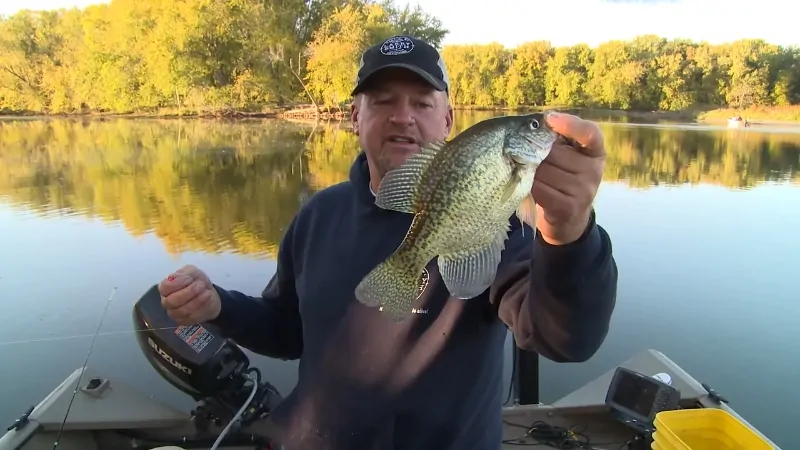
1. Vertical Jigging
2. Spider Rigging
3. Casting to Structure
Best Fishing Techniques for Bluegill
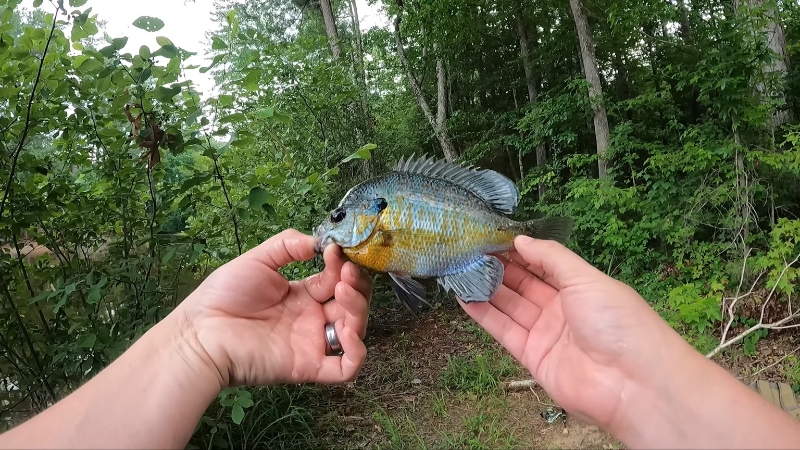
1. Bobber and Bait
2. Fly Fishing
3. Ultralight Jigging
Seasonal Patterns and Timing
Season
Crappie Hotspot/Depth
Bluegill Hotspot/Depth
Spring
2–10 ft (spawning near shore)
1–4 ft (beds in shallows)
Summer
15–25 ft (thermocline, structure)
3–8 ft (weed edges, docks)
Fall
10–20 ft (transition zones)
4–10 ft (deeper weeds, drop-offs)
Winter
20–40 ft (deep channels)
6–15 ft (deep cover near shore)
Spring: The Spawning Rush
Summer: Depth and Cover
Fall: Transition Time
Winter: Deep and Slow
Final Thoughts