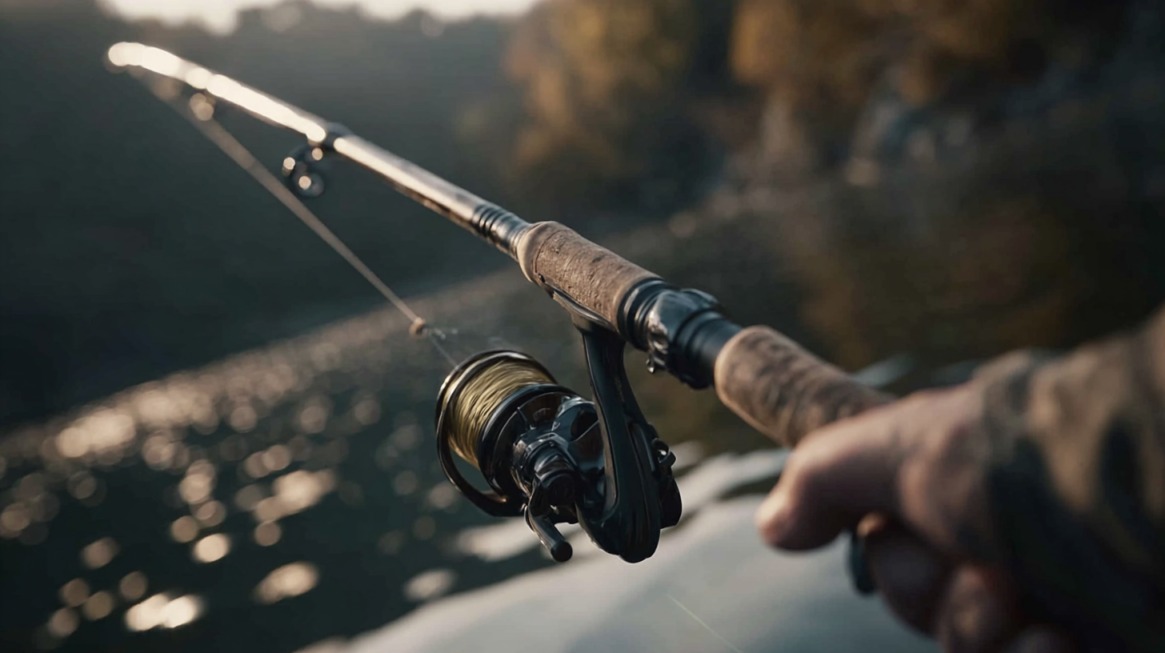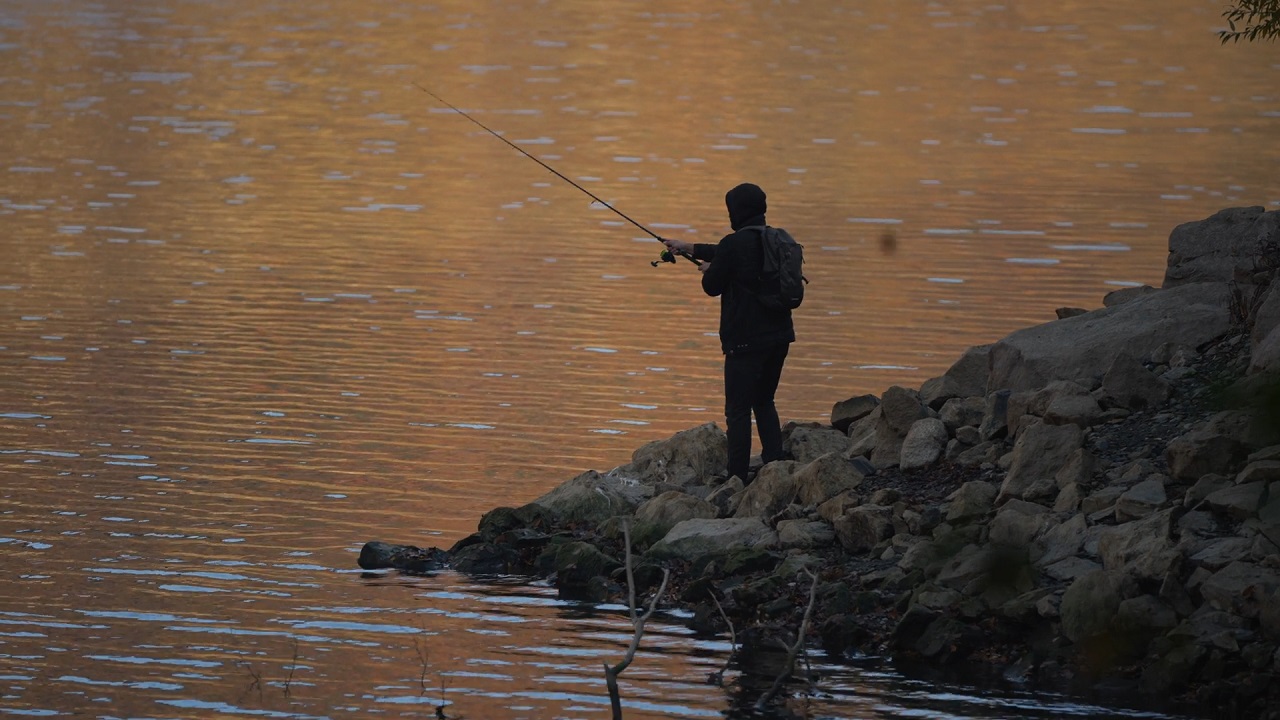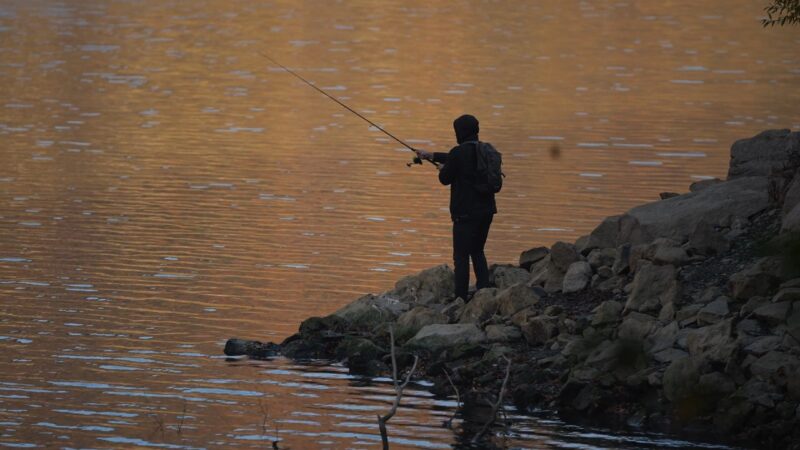

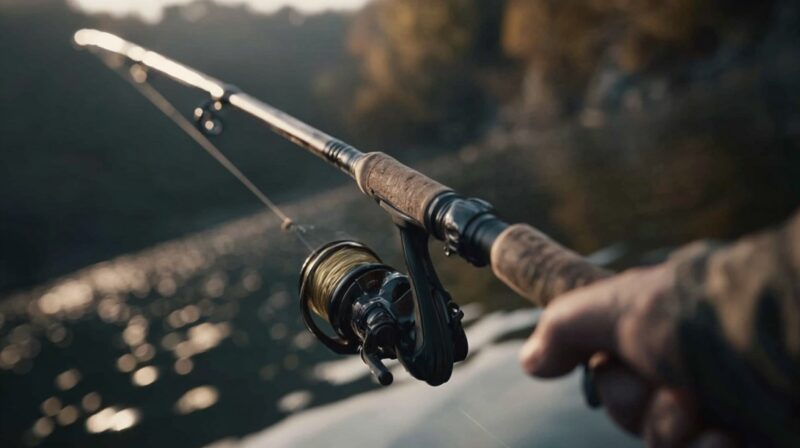
Casting skill plays a central role across fishing styles such as fly casting, lure casting, and cast net throwing.
Distance comes primarily through refined technique rather than raw strength.
Principles shared by expert fly casters, experienced net throwers, and precision anglers can increase range, accuracy, and efficiency while reducing fatigue.
Without further ado, let us talk about advanced casting tricks that can make you much more successful than before.
Trick #1 – Optimize Your Casting Mindset and Read Wind and Water

Successful casts begin before any motion of the rod or net.
Careful observation of wind direction, surface movement, and surrounding space leads to better decisions and eliminates unnecessary effort.
Wind alters how energy transfers through the line or net, so reading conditions correctly preserves strength while extending distance and improving accuracy.
- Tailwind assists line speed and helps carry longer casts with less effort
- Headwind favors tighter loops and shorter, more controlled strokes
- Crosswind often calls for angled or sidearm deliveries to maintain accuracy
Awareness of available casting space also shapes technique selection long before a cast begins.
Overhead casts need clear airspace behind and above to function properly, while limited room encourages alternative motions.
Sidearm casts guide line under branches or docks, and roll casts solve tight situations near banks, reeds, or vegetation where backcasts cannot extend fully.
Trick #2 – Match Rod, Line, and Net Gear to the Technique
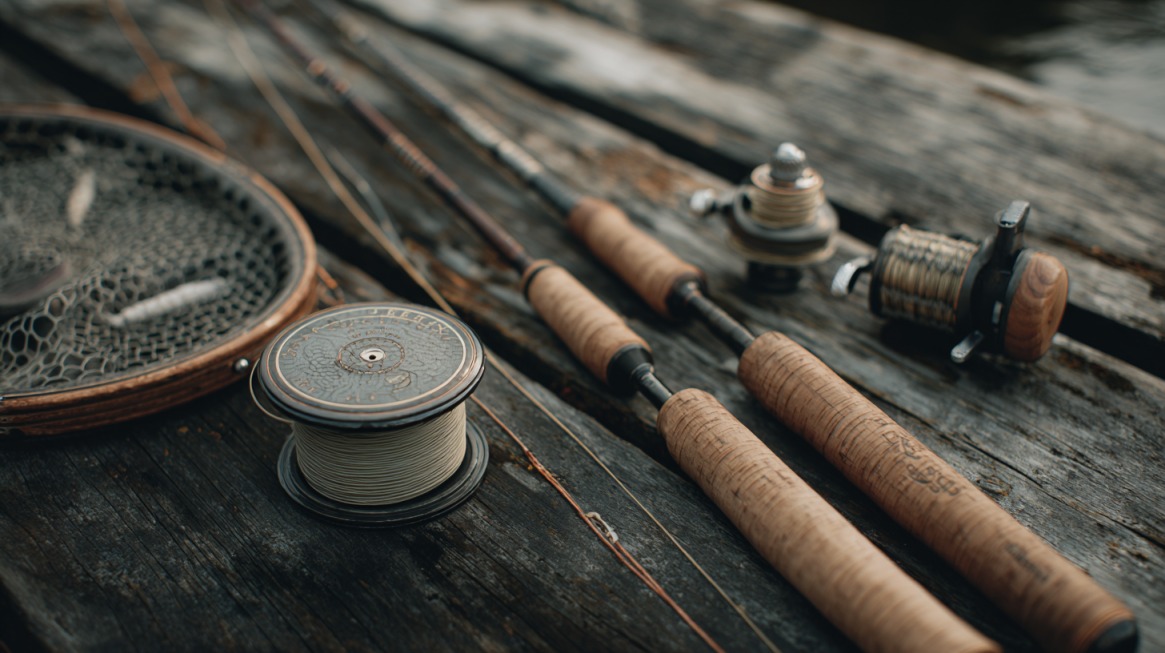
Proper pairing of rod action and line taper determines how efficiently energy transfers during a cast.
Anglers looking to refine these gear-to-technique relationships in real-world scenarios often benefit from in-depth instructional resources such as In The Spread, which breaks down advanced casting, rigging, and tactical decisions used by professional captains.
Equipment that loads easily promotes smooth acceleration rather than forced power.
Weight forward lines load rods quickly and help achieve longer casts with fewer false casts, especially when conditions shift or wind becomes unpredictable.
Leader setup also plays a measurable role in performance, since length and taper affect turnover, accuracy, and control.
- Shorter leaders turn flies over more effectively in wind
- Longer leaders allow softer presentations and finer control
- Heavier flies benefit stronger tapers for stable turnover
Net size influences both distance and control during cast net throws.
Smaller nets under about eight feet open more easily and suit anglers refining their technique. Larger nets demand precise timing and body coordination to spread fully.
Weighted edges must distribute evenly, so preparation and gear choice directly affect throw efficiency and coverage area.
Trick #3 – Load the Rod and Build Power with Smooth Motion
Effective casting relies on allowing the rod to bend and store energy rather than forcing power through the arm.
Smooth acceleration followed by a crisp stop transfers energy cleanly into the line and produces tight, fast loops.
Arm strength alone limits distance and leads to early fatigue during long sessions on the water.
Rod loading works best when motion stays progressive and controlled throughout the stroke.
Abrupt power early in the motion wastes energy, while steady acceleration maximizes rod bend and line speed. Cast net throws follow a similar principle. Watch other fisherman in their vlogs and pick up some of their casting tricks!
Controlled windup paired with a calm, confident release allows the net to open naturally without strain or forced motion.
Trick #4 – Advanced Line and Net Control with Hauling, Loops, and Releases
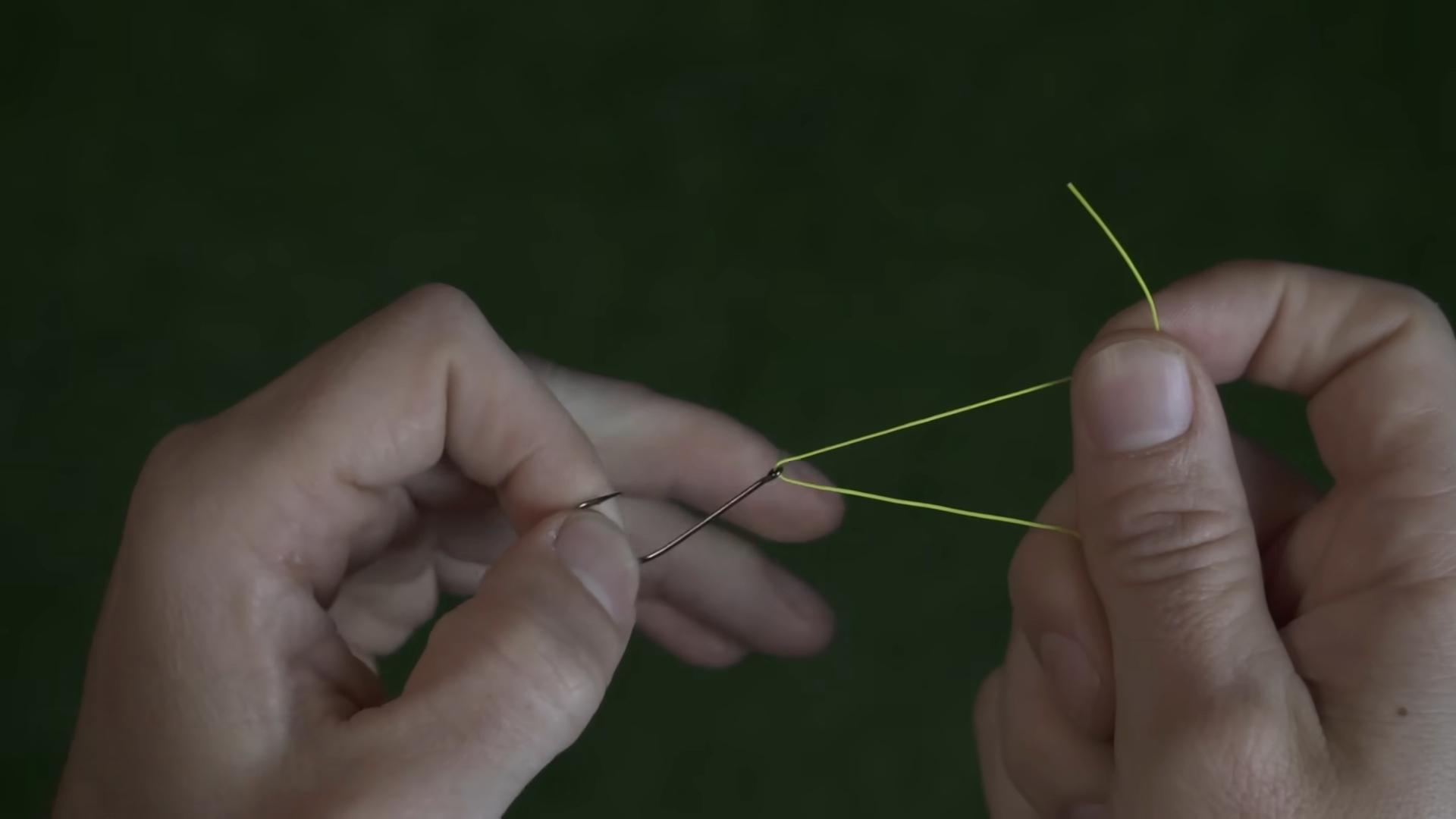
Double hauling increases line speed by pulling the line with the non-rod hand during both back and forward casts.
Distance improves without additional arm strain, making longer casts feel easier and more repeatable.
Rod tip movement also matters, since wasted motion reduces efficiency and weakens loop structure.
- Straighter tip paths conserve energy
- Controlled stops tighten loops
- Excessive arc creates wide, weak loops
Preparation plays an equally important role in cast net performance. Weights should remain even and free of tangles before every throw.
Smooth releases paired with steady body motion allow the net to spread wide.
Jerky movements reduce distance and prevent full opening, while relaxed timing improves consistency and coverage.
Trick #5 – Adjust Casting Angles and Plan Trajectory
View this post on Instagram
Casting angle shapes both distance and control under varying conditions.
Higher arcs help carry the line in calm air, allowing gravity and momentum to extend the reach.
Lower, flatter trajectories move the line faster and cut through the wind more effectively, especially when accuracy matters.
Angle selection adapts to surroundings and obstacles that limit movement. Sidearm and roll casts maintain distance while keeping the line clear of overhanging cover.
Cast net throws benefit from similar adjustments. A slightly higher underhand release gives the net time to spread before sinking, increasing coverage and capture success without extra effort.
Trick #6 – Use Your Body with Hips, Shoulders, and Rhythm
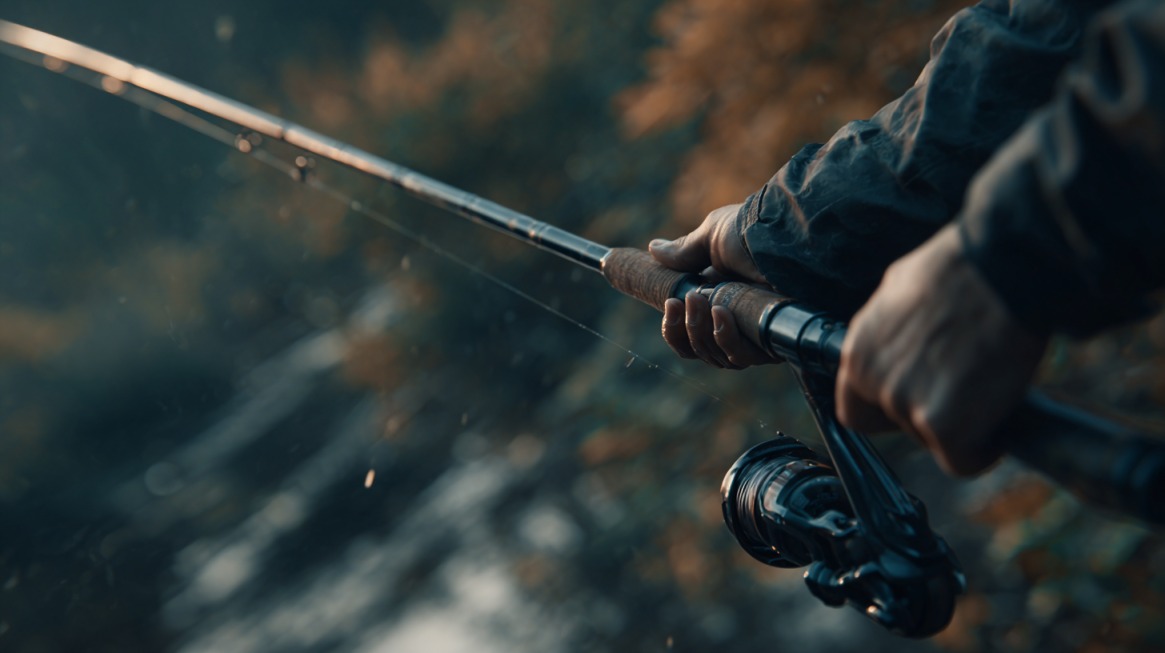
Power flows through the kinetic chain rather than isolated arm movement. Legs initiate motion, hips and shoulders rotate, and arms guide the cast.
Balanced footing with slight knee bend improves stability, timing, and repeatability across long casting sessions.
- Leg drive adds controlled power
- Hip rotation smooths acceleration
- Shoulder alignment keeps motion efficient
Cast net distance increases when body rotation contributes to the throw. Wide, relaxed turns replace aggressive arm swings and reduce strain while extending reach and maintaining accuracy.
Trick #7 – Visual Targeting and Environmental Awareness
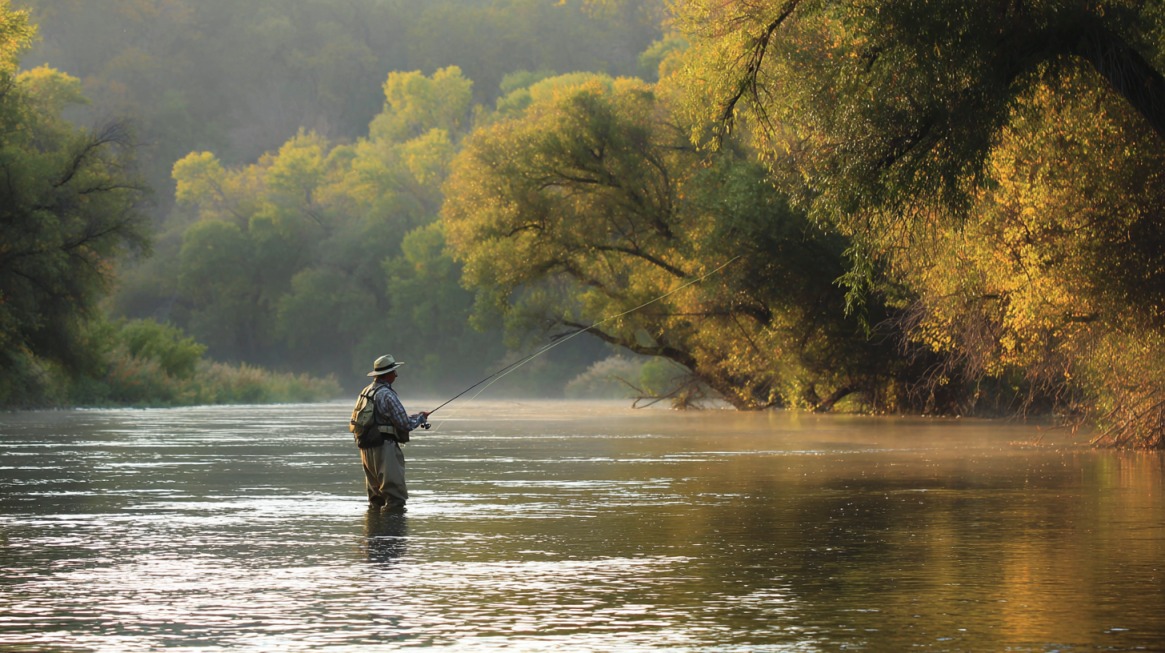
Casting accuracy improves when eyes lock onto precise visual targets rather than vague areas.
Focused sight lines guide rod tip direction and help maintain consistent stroke mechanics.
Surface clues like bubbles or current seams help control placement and timing without forcing the cast.
Environmental scanning strengthens cast net success as well.
- Bait movement reveals active zones
- Calm water patches allow cleaner spreads
- Current breaks reduce net drift
Preparation paired with visual focus leads to wider spreads, cleaner sinks, and more reliable results with less wasted motion and effort.
Summary
Advanced casting performance grows through refined technique, proper gear choices, and environmental awareness rather than muscle power.
Shared principles across fly fishing, lure casting, and net throwing promote smoother motion, longer distance, and greater consistency.
Practice with intent transforms effort into efficiency and produces reliable results on the water.