
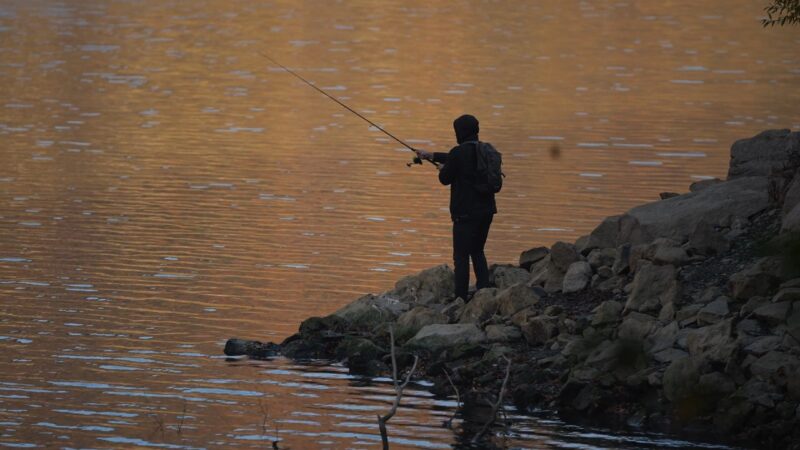
Lake Michigan stretches across Michigan, Indiana, Illinois, and Wisconsin with more than 1,600 miles of public shoreline available to anglers.
Shore access includes beaches, breakwalls, harbors, river mouths, and long concrete piers built specifically for fishing.
Year round opportunities exist because water temperature, forage movement, and spawning cycles shift throughout the calendar.
Bank anglers can target salmon, trout, bass, perch, and other species by matching seasonal patterns with accessible structure and proper bait selection.
Fishing Seasons Along Lake Michigan
Fishing activity shifts through the year as water temperature, forage movement, and spawning behavior change.
Shore anglers see the strongest results during seasonal transitions, when cold water species push shallow and remain within casting range.
Spring
Nearshore areas warm faster than open water, drawing baitfish tight to structure such as piers, breakwalls, and river mouths.
Salmon and trout follow these movements closely, creating consistent shoreline action.
Key spring patterns include the following:
- Coho salmon cruising harbors and pier edges during warming trends
- Steelhead staging near tributary mouths and current seams
- Brown trout feeding near warm water outflows and shallow rock
Morning hours often produce steady bites, especially after south winds raise surface temperatures.
Summer
Warm water pushes most salmon offshore, reducing shore success for those species. Bass and warm water predators take over as primary targets along the bank.
Productive summer shoreline conditions usually involve:
- Smallmouth bass holding along rocky breakwalls and riprap
- Largemouth bass relating to weeds, bays, and protected coves
- Muskie activity increasing near inlets and shallow structure
Low light periods remain important, with early morning and evening providing the most consistent action during peak heat.
Fall
Cooling water and spawning instincts trigger heavy movement toward river mouths and piers.
Shore fishing reaches its strongest phase during this period.
Concentrated fall activity centers around:
- Chinook salmon staging aggressively near tributaries
- Coho salmon moving through harbors and shoreline gaps
- Walleye feeding along pier edges after dark
Rain events and increased river flow often improve bite windows by pulling fish closer to shore.
Winter
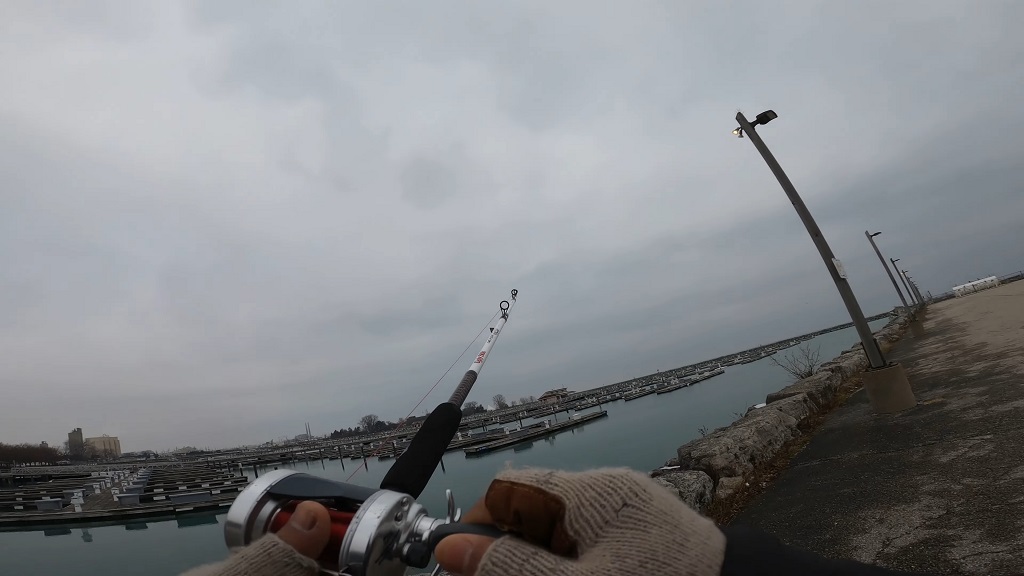
Cold water and ice cover compress fish into predictable areas such as harbors, basins, and deeper shoreline pockets.
Shore access remains productive through ice fishing and open harbor jigging.
Winter shore opportunities typically involve:
- Yellow perch schooling in harbors and marina basins
- Lake whitefish holding near bottom structure under ice
- Burbot feeding actively at night during cold periods
Spring and fall consistently deliver the strongest shoreline success, particularly near harbors, tributary mouths, and warm water discharges.
Best Baits and Tactics for Shore Fishing
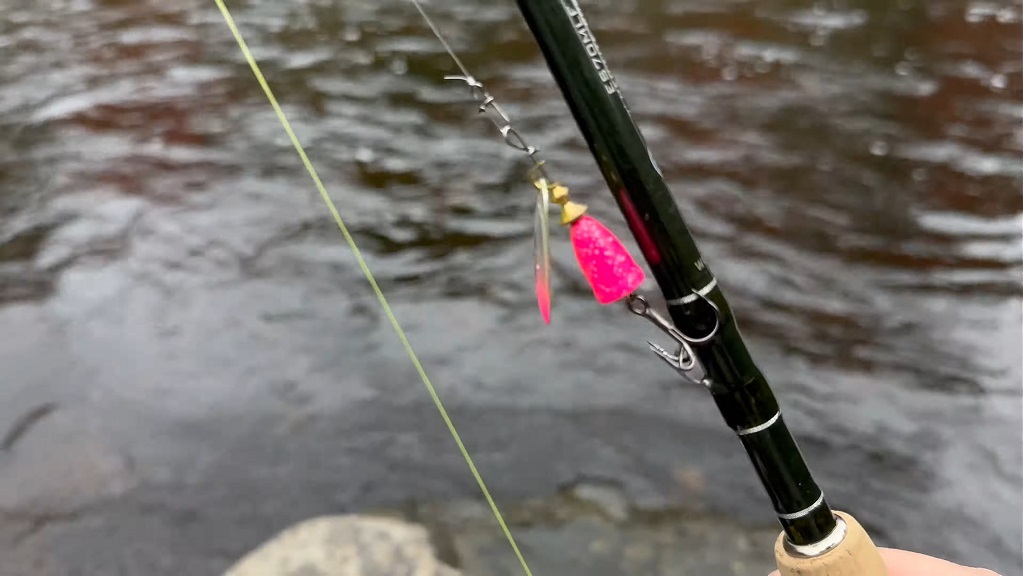
Salmon and trout respond well to spoons, spawn sacks, jigs, and crankbaits cast along current seams and pier edges. For detailed gear recommendations and reviews on what tackle to bring, visit fishing gear insider.
Bass and pike prefer spinnerbaits, soft plastics, and topwater lures worked tight to structure. Perch and whitefish favor vertical jigging with minnows or waxworms during cold water periods.
Steelhead fishing succeeds with float setups drifting spawn through current breaks. Carp remain accessible using simple bottom rigs baited with corn or bread balls.
Seasonal adjustments matter. Winter requires ice fishing or slow jigging. Spring and fall favor casting spoons and crankbaits off piers and drifting bait in tributaries. Summer success increases during early morning and late evening hours.
Top Shore Target Species by Season
Seasonal fish movement along Lake Michigan places several high value species within casting range at different points of the year.
Shore anglers gain consistent success by focusing on species behavior tied to temperature shifts, spawning cycles, and shoreline structure.
Chinook Salmon
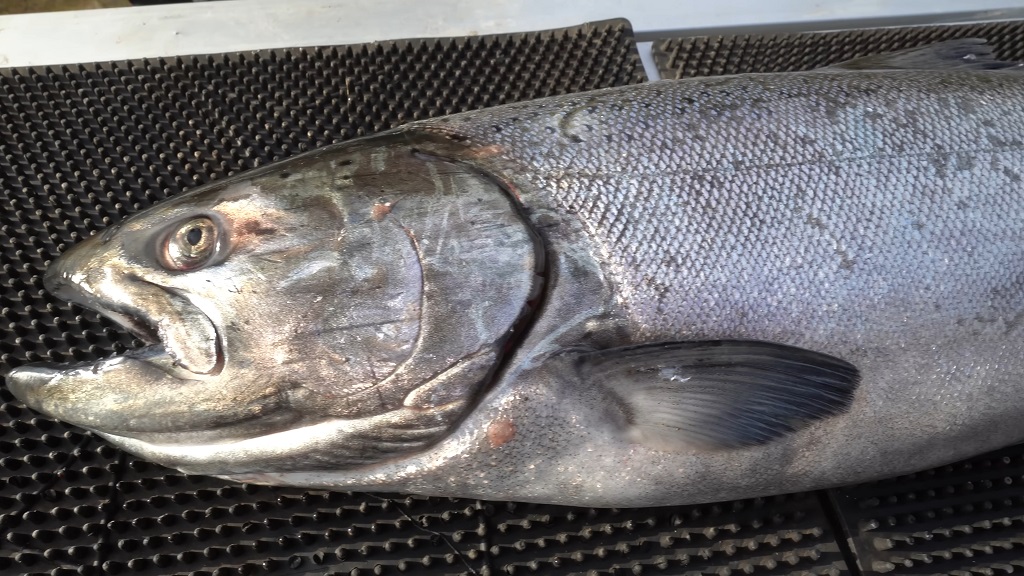
Late summer signals the strongest shoreline activity for Chinook salmon. August and September bring heavy concentrations as fish stage near river mouths and piers ahead of spawning runs.
Long concrete piers and harbor entrances funnel moving fish into predictable travel lanes.
Productive access areas commonly include Michigan City, Chicago area harbors, and Frankfort.
Casting effectiveness improves during low visibility periods and changing conditions. Rainfall often increases river flow and pulls salmon tighter to shore.
Effective shore presentations usually rely on offerings that trigger aggression rather than feeding responses:
- Spawn sacks drifted or cast near current seams
- Medium to large crankbaits worked parallel to pier edges
- Heavy spoons that maintain depth in wave action
Coho Salmon
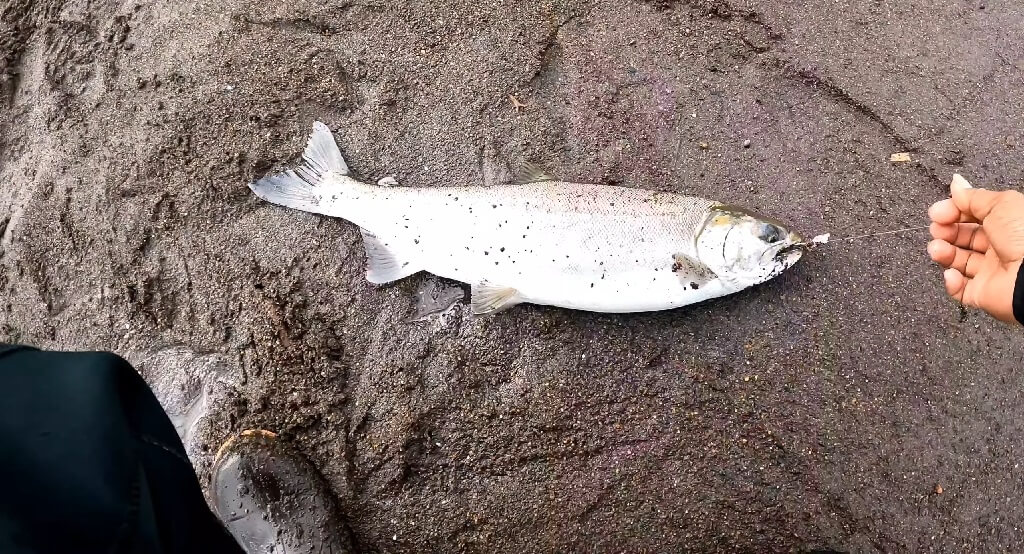
Spring brings reliable shoreline opportunities for coho salmon as nearshore water warms and baitfish gather close to structure.
April through June produces steady harbor action, with another short window reopening during August.
Harbors, breakwalls, and shoreline gaps concentrate fish during warming trends.
Michigan City and Trail Creek continue to rank among the most consistent public access locations during spring runs.
Strike response remains aggressive during these periods, especially when fish travel in schools.
Crankbaits and spoons cover water efficiently, while dodger fly combinations trigger reaction strikes during active feeding phases.
Steelhead
Cold weather months keep steelhead accessible to shore anglers for extended periods.
November through April holds fish in tributaries, harbors, and pier systems as steelhead move in and out of flowing water.
Controlled drifts produce the highest success rates, particularly when current speed and depth remain consistent.
Productive shoreline water usually includes soft edges near faster flow.
Effective setups often include:
- Spawn sacks drifted under floats
- Small spoons cast and retrieved slowly
- Waxworms used during colder water periods
Trail Creek, Little Calumet River, and Salt Creek provide multiple public access points suited for shore based steelhead fishing.
Brown Trout
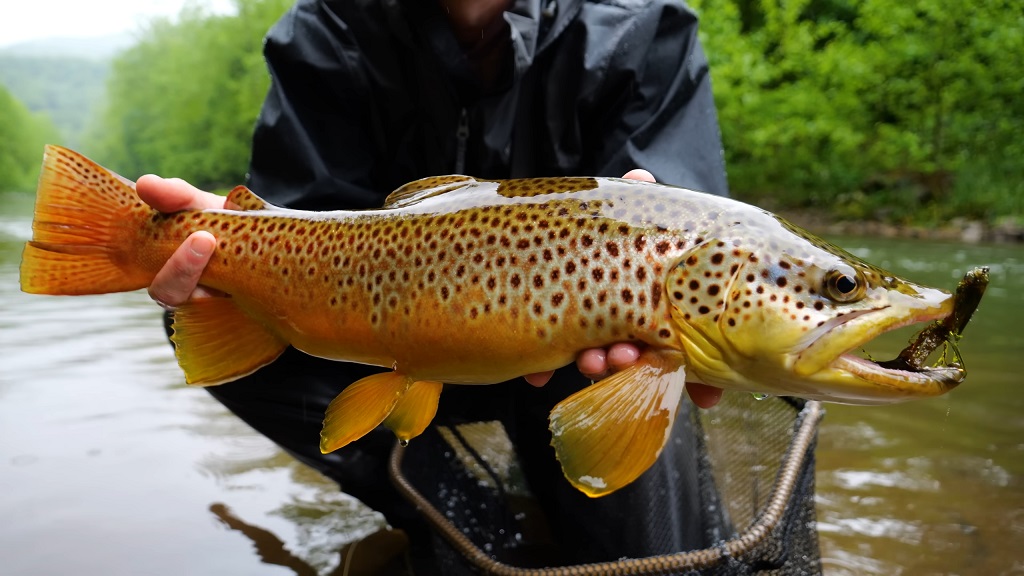
Early season warming creates prime shoreline feeding conditions for brown trout.
March through June produces consistent action as fish seek warmer water and easy forage.
Warm water discharges, shallow piers, and rocky shorelines draw feeding fish during early spring.
Morning hours typically offer the best opportunity before sunlight pushes trout deeper.
Stickbaits and live minnows remain reliable choices, especially near discharge zones located in Chicago, Indiana, and Ludington.
Yellow Perch
Cold water periods compress perch schools into harbors and marina basins, making them highly accessible to shore anglers. Peak months include January through March and September through October.
Shore success often depends on staying directly over schools and maintaining precise depth control. Productive cold water setups frequently rely on simple vertical presentations:
- Ice jigs tipped with minnows
- Small spoons paired with waxworms
Michigan City harbor continues to support dependable winter perch fishing during stable ice conditions.
Smallmouth and Largemouth Bass
Warm months shift shoreline focus toward bass species.
May through September produces steady action as bass relate closely to cover and structure.
Structure type largely dictates species location. Smallmouth bass concentrate along breakwalls, riprap, and rocky edges.
Largemouth bass favor bays, weed growth, and protected shoreline pockets.
Crankbaits, spinnerbaits, and soft plastics cover a wide range of depths and conditions. Calm summer mornings often favor finesse presentations worked slowly along structure.
Other Shoreline Species
Several additional species remain accessible to shore anglers throughout the year and often receive less pressure.
Walleye activity peaks during April through June and again during fall, with nighttime crankbait casting near river mouths producing consistent results.
Northern pike reach peak activity May through July and respond well to spinnerbaits and large spoons retrieved through shallow weedy areas reachable on foot.
Muskellunge activity increases June through August, with glide baits and topwater lures drawing strikes near bays and inlet areas.
Lake whitefish concentrate near harbors during winter and respond to jigging spoons tipped with waxworms.
Burbot remain active December through February, primarily at night using glow jigs and cut bait.
Carp provide strong shore opportunities June through September on flats and river mouths using corn or bread presentations.
Shore and Pier Fishing Locations by State
Shore access varies widely across Lake Michigan, with certain cities and harbors offering consistent structure, fish movement, and public entry points. State managed sites, river mouths, and engineered piers create reliable opportunities for anglers without boats.
Indiana
Indiana provides some of the most concentrated and accessible shore fishing on the southern end of Lake Michigan.
Short river systems and maintained harbors funnel migratory fish into tight zones within casting distance.
Michigan City Pier and Trail Creek sit at one of the most productive river mouth systems in the region. Salmon and steelhead stage heavily here during spring and fall runs, often moving along the pier edges and creek outflow.
DNR maintained access areas improve reach and safety, including sections designed for handicap access.
Burns Harbor and Burns Ditch play a major role during spring coho movement.
Shoreline current breaks, harbor walls, and nearby channel edges attract fish as nearshore water warms. Wind direction often dictates which side of the harbor produces best results.
Salt Creek and Little Calumet River extend fishing opportunity farther inland, offering multiple entry points and varied structure. Public access areas include:
- Karwick Park
- Hansen Park
- Creek Ridge
- Imagination Glen
Michigan
Michigan shoreline cities feature long piers and well defined river mouths that consistently support migratory fish.
Pier length and water depth allow anglers to reach staging zones during both spring and fall.
Manistee, Ludington, and Frankfort remain top choices for salmon fishing during seasonal runs.
Long piers concentrate fish traveling along shore, especially during low light periods and changing weather patterns.
St. Joseph and Grand Haven offer broader multi season opportunities. Brown trout move through early spring near warmer water zones, while steelhead and perch remain accessible across colder months.
Pier systems and river mouths provide multiple casting angles depending on wind and wave direction.
Illinois
Urban shoreline access defines fishing opportunity in Illinois. Chicago harbors allow consistent year round access to deep water without long travel distances.
Montrose, Burnham, and Diversey harbors support salmon and trout activity across multiple seasons.
Warm water discharges near industrial and municipal outflows raise temperatures during colder months, keeping fish active when other areas slow down.
Pier walls, harbor mouths, and current seams allow anglers to target moving fish using casting and vertical presentations.
Wisconsin
Northern shoreline locations shine during fall migrations. Harbors and river mouths act as gathering points as salmon prepare to move upstream.
Milwaukee Harbor provides extensive shoreline structure and deep water access suited for fall coho and Chinook activity. Breakwalls and harbor gaps funnel fish along predictable travel routes.
Sheboygan and Sturgeon Bay also support strong fall runs.
River mouths and nearby harbor basins concentrate fish during staging periods, creating productive conditions for shore anglers casting spoons, crankbaits, and spawn based presentations.
Access quality, seasonal timing, and local structure all play critical roles in shore fishing success across Lake Michigan.
The Bottom Line
Shore fishing along Lake Michigan offers affordable access to salmon, trout, bass, perch, and many additional species throughout the year.
Seasonal timing, location choice, and bait selection drive success for bank anglers.
Safety awareness, license compliance, and respect for access rules ensure productive and responsible fishing across one of North America’s most active freshwater fisheries.